



With the UK’s net zero target set for 2050 and energy efficiency rules tightening, sustainability has become a commercial issue for anyone who owns or occupies property. For both landlords and tenants, this raises the practical question: who is responsible for making a building more efficient, and who pays for it?
Green leases are the mechanism the property industry has developed to answer this question, and recent changes to the energy efficiency rules make it an important time to understand how they work.
This article explains how green leases allocate those responsibilities in practice and which lease clauses deserve particular attention when negotiating new terms.
What is a green lease?
Put simply, a green lease is a commercial lease that includes clauses requiring the landlord and tenant to support agreed sustainability objectives. Those clauses commonly address energy efficiency, water conservation, waste management and the use of sustainable materials.
The clauses within a green lease can be tailored to align with both parties’ sustainability targets. The Green Lease Toolkit, published by the Better Buildings Partnership, is a useful resource when establishing the level of commitment required by both parties. The toolkit provides light, medium and dark green alternatives for most clauses, allowing the parties to agree terms that they can implement.
The green spectrum:
- Light green: typically non-binding, aspirational commitments;
- Medium green: legally binding practical requirements that do not impose unreasonable costs; and
- Dark green: legally binding obligations, with measurable outcomes.
The rules behind the trend
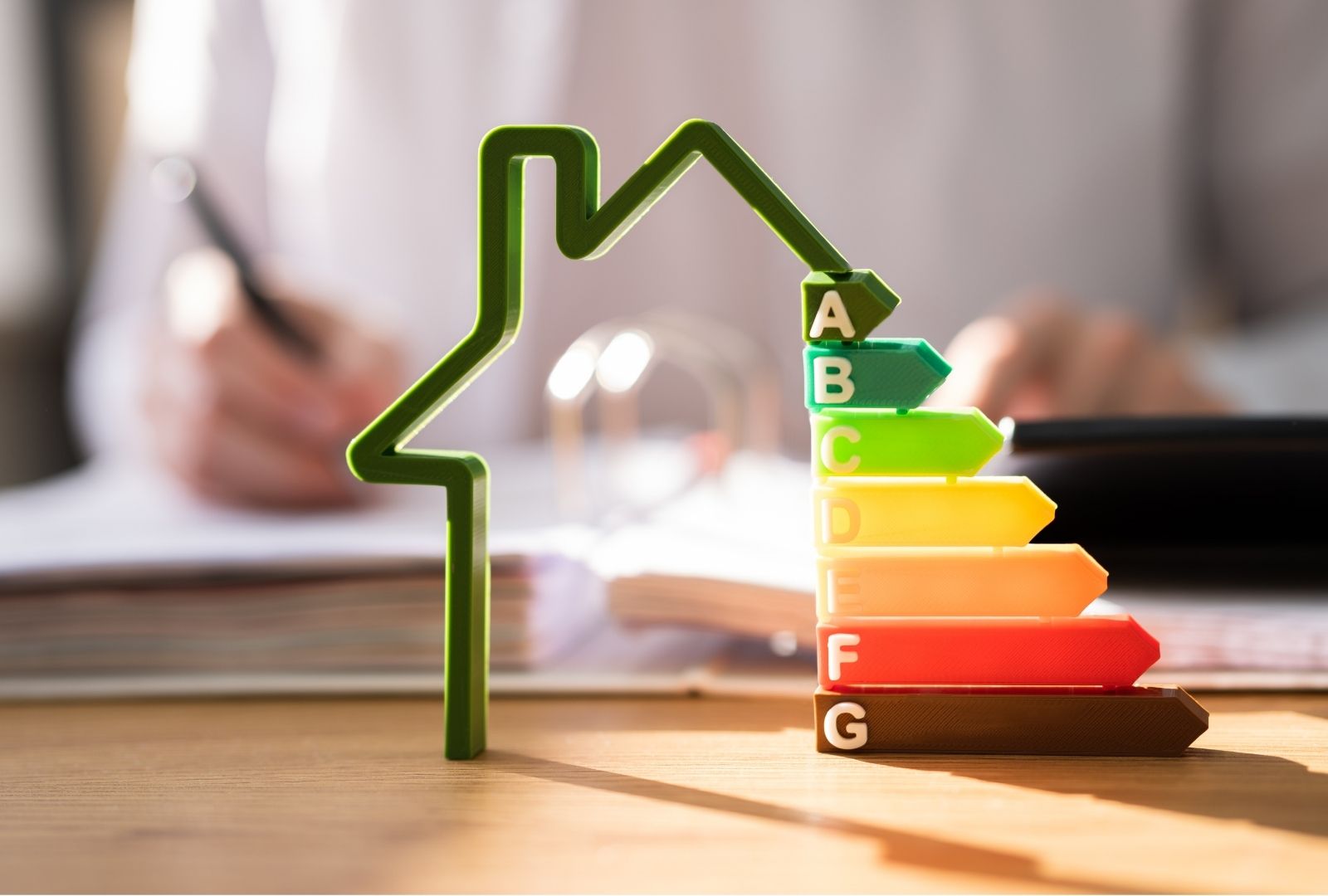
Currently, every commercial building must have an Energy Performance Certificate when it is built, sold or let. The EPC rates the building’s energy efficiency from A to G and lasts for ten years. Importantly, it measures the efficiency of the building itself rather than how much energy the occupier actually uses, which is why improving a rating usually requires physical works rather than a change in conduct.
An EPC by itself is just information. The real obligations arise from the Minimum Energy Efficiency Standards (MEES), which make it unlawful to let commercial property in England and Wales where the EPC rating is currently below E, unless an exemption has been registered.
What was initially proposed, and what changed
Government consultations in 2019 and 2021 proposed raising the MEES for commercial lettings to C by 2027, and then to B by 2030. While many landlords have been planning around those dates, neither became law.
In June 2026 the Government published an interim response to those consultations stating that the 2027 C milestone has been abandoned altogether. Instead, it has been replaced by a single proposed standard, requiring a B rating from 2031, applying exclusively to privately rented commercial buildings larger than 1,000sqm, where the improvements are cost-effective. It is important to keep in mind that the new standard is not yet law, as it still needs secondary legislation before it takes effect.
As a result, for a lot of commercial property, and particularly the smaller buildings that make up a large portion of the market, nothing changes in 2027 or 2030, with E remaining the minimum EPC requirement.
How green leases benefit landlords
As the proposed standard now only applies from 2031, and only to larger buildings, it is tempting to park the issue. However, there are commercial advantages that green leases can achieve:
- Firstly, lenders are increasingly asking about energy performance when they lend against commercial property, and valuers are starting to reflect poor ratings in what a building is worth. Therefore, buildings that cannot easily be improved risk becoming more difficult to finance or sell, regardless of the legal regulations.
- Additionally, many larger occupiers now have their own carbon and ESG reporting obligations, and they need reliable building-performance data from the landlord to meet them. A landlord who cannot provide this data may lose the tenant before lease negotiations really even begin.
How green leases benefit tenants
Aside from ethical considerations, many financial and reputational advantages accompany green leases:
The most immediate benefit is cost: a more efficient building uses less energy and less water. These savings directly benefit the tenant i.e. the one who is paying the bills. While the initial fit-out may cost more, due to the more onerous sustainability obligations, when considered in the long term, decreased running costs can outweigh the initial expense.
There are also reputational advantages. Customers, staff and business partners increasingly scrutinise the buildings from which businesses operate, and tenants with their own sustainability commitments can use a greener building as part of their evidence base.
Research by the World Green Building Council has also linked better indoor environments, including air quality, lighting and ventilation, to improved productivity and reduced sickness absence, giving a direct benefit to human health and reduced loss of productivity.
Common green clauses
- Alterations: Most commercial leases control what a tenant can change about the property. Green clauses restrict alterations that would harm the building’s environmental performance.
- EPC protection: Green clauses stop the tenant doing anything that would negatively impact the building’s rating and give the landlord control over when and how EPC assessments are carried out, as a poorly timed or poorly prepared assessment can produce a lower rating than the building deserves, and the certificate then stands for ten years.
- Co-operation and data: At the lighter end of the green spectrum, the parties simply agree to work together to improve sustainability performance. At the darker end, there are specific targets, monitoring, and obligations to share energy, water and waste data. A data sharing clause is extremely useful, as without it, neither party can improve what they cannot measure, and tenants with their own reporting obligations will need it.
- Right to carry out works: Some leases give the landlord the right to carry out improvement works, in some cases without the tenant’s consent, driven by the landlord’s own obligations under MEES. This clause requires caution, and tenants should ask what notice will be given, where any equipment will be located, when the work can be done, whether rent is abated if the premises become unusable, and whether the cost can be recovered from the tenant through the service charge.
Conclusion: A shared problem
While regulatory pressure on commercial property is now less immediate, it has not gone away. It is simply operating on a longer time scale than anticipated, and for smaller buildings the legal minimum remains unchanged.
However, legislation has not answered the question this article opened with, and it is unlikely to do so in the future. Instead, MEES tells landlords what standard a building must not fall below, remaining silent on who arranges the works, who pays for them, who shares the data, or what happens at the end of the term.
Green leases answer these questions, and setting out the responsibilities at the outset is far easier and cheaper than resolving them once a problem has arisen.
Get In Touch
Helen Marsh is a Partner in our Commercial Property team. She has over 20 years’ experience in commercial property and has earned a reputation for her expertise in landlord and tenant work in the hospitality, retail, office and warehouse sectors, acting for known brands with 200+ stores to entrepreneurs taking on their first site.
If you’re looking to understand more about your legal position, contact one of our expert commercial property solicitors today on 0330 111 3131 or via our online enquiry form.

This article is for information only and does not constitute legal advice. We recommend seeking professional advice before taking any action on the information provided. If you would like to discuss your specific circumstances, please feel free to contact us on 0330 111 3131.