



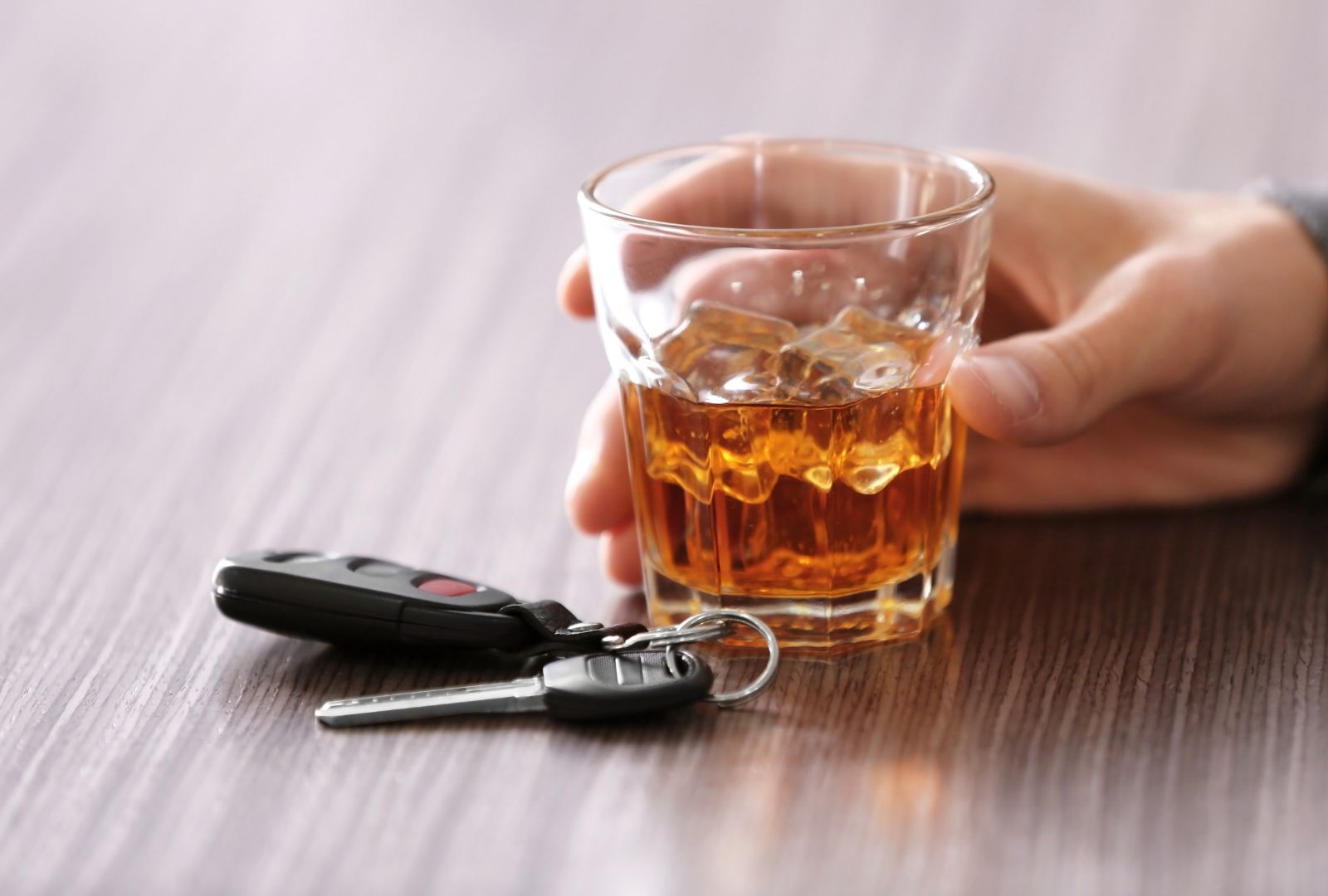
There is no set number of hours after drinking that makes it safe to drive. The law sets a limit on the alcohol in your body when you drive, not a waiting time, and everyone clears alcohol at a different speed. The safest approach is to avoid alcohol if you need to drive, and to treat the morning after a heavy night as a risk. Some people even decide to invest in personal breath test devices so they can test themselves before they drive.
This guide explains how long after drinking you can drive. It is for anyone who plans to drink over Christmas and New Year and still needs to drive, and for anyone who has been stopped or arrested. It comes from our crime team, whose drink driving solicitors act for people accused of drink driving offences.
How long after drinking can I drive?
No fixed waiting time guarantees you are under the limit. It is impossible to say exactly how many drinks equal the limit, because the answer differs for each person. Weight, age, sex, metabolism, medical conditions and what you have eaten may all play a part.
On average, the body clears about one unit of alcohol an hour. That is only an average, and the units add up quickly: a pint of strong lager contains around three units. Coffee and cold showers do not speed up the process. Only time does.
What is the drink drive limit in England and Wales?
The drink drive limit in England and Wales is 35 micrograms of alcohol per 100ml of breath, 80 milligrams per 100ml of blood or 107 milligrams per 100ml of urine. Section 5 of the Road Traffic Act 1988 makes it an offence to drive, attempt to drive or be in charge of a motor vehicle on a road or other public place above that limit.
You can also be convicted below the limit if drink impairs your driving (section 4).
Scotland’s limit is lower, at 22 micrograms per 100ml of breath, so it matters if you drive north for Hogmanay.
The government consulted earlier this year on lowering the limit in England and Wales, but the law has not changed yet. Our post on drink driving proposals for change explains what could happen next.
Can you be over the limit the morning after?
Yes. Drink driving the morning after is still an offence. Alcohol leaves your body at its own pace, and high levels can remain after you have slept. You can feel fine and still be over the limit. The last minute shots at the bar can add hours to your alcohol elimination time, a factor many people forget the morning after.
Police can require a roadside breath test at any time of day (section 6 of the Road Traffic Act 1988) if:
- they reasonably suspect you are driving, or have been driving, with alcohol in your body
- you commit a moving traffic offence
- you are involved in a collision
If you drank heavily the night before, plan another way to travel.
Drink driving at Christmas and New Year: what is Operation Limit?
Operation Limit is a national police campaign against drink and drug driving. This winter it runs from 1 December 2026 to 1 January 2027. Our post on drug driving covers the other half of the campaign. Police will be especially vigilant during this time period and will stop more drivers for testing.
The limit is the same at Christmas lunch, at a work party and on New Year’s Eve, and so is the risk the next morning. It helps to plan how you will get home before you go out:
- Agree a designated driver, or leave the car at home.
- Book a taxi in advance, or check public transport times.
What does drunk in charge of a vehicle mean?
You can commit an offence without driving anywhere. Being in charge of a motor vehicle on a road or other public place while over the limit is an offence under section 5 of the Road Traffic Act 1988, and so is being in charge while unfit through drink (section 4). One example is sleeping it off in a parked car.
It is a defence to prove that there was no likelihood of you driving while still over the limit. The court looks at all the circumstances of each case. You stay in charge of a vehicle until you hand over control, for example by giving the keys to someone else, or until you move some distance away with no intention of taking control again.
The maximum penalty for being drunk in charge is three months in prison, a fine of up to £2,500 and a possible driving ban. If you have been drinking, leave the vehicle and get home another way.
Is cycling drunk against the law?
Yes. Riding a bike on a road or other public place when you are unfit through drink or drugs is an offence under section 30 of the Road Traffic Act 1988. There is no breath limit for cyclists. The question is whether drink leaves you unable to control the cycle properly. The maximum penalty is a £1,000 fine, with no driving ban or penalty points.
Older law can apply too, albeit they are less commonly utilised. Section 12 of the Licensing Act 1872 covers being drunk in charge of a carriage on a highway or other public place, and the courts have held that a bicycle counts as a carriage (Corkery v Carpenter [1951] 1 KB 102).
What happens if you are caught drink driving?
A conviction for driving over the limit normally means a ban of at least one year, or three years if you are convicted twice in ten years. The maximum sentence is six months in prison and an unlimited fine. A drink drive rehabilitation course may reduce a ban by 25%, but only if the court offers it.
Our post on drink driving penalties sets out ban lengths by breath reading and explains what happens after an arrest.
Get In Touch
If you have been stopped, arrested or charged with a drink driving offence, speak to a specialist motoring solicitor as early as you can. We can represent you at the police station and in court, and we are available 24 hours a day if you are arrested. Call us on 0330 111 3131 or send an enquiry online to arrange a confidential consultation at our Manchester, Sale or Chester office, or remotely.
If your case involves another motoring offence or a different criminal charge, our road traffic offence solicitors and criminal defence solicitors can help.
Nick Terry is a Partner and Head of the Road Traffic department at Slater Heelis. Nick qualified as a solicitor in 2010 and specialises in motoring and regulatory offences.
This article is for information only and does not constitute legal advice. We recommend seeking professional advice before taking any action on the information provided. If you would like to discuss your specific circumstances, please feel free to contact us on 0330 111 3131.